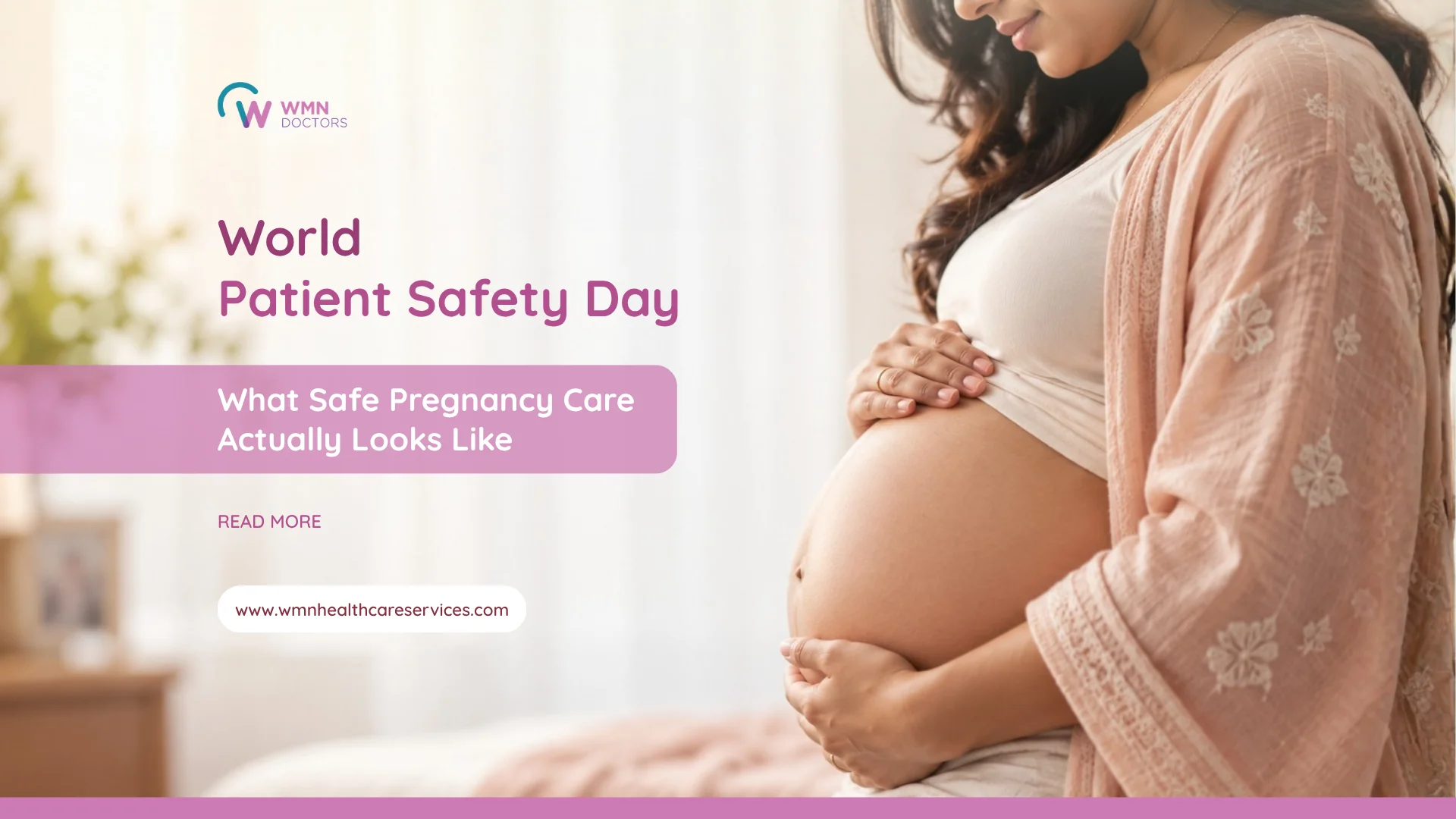
Every year on 17 September, the world marks World Patient Safety Day — a global initiative led by the World Health Organization to reduce avoidable harm in healthcare. The 2026 theme is “Safe care for noncommunicable diseases,” with the slogan “Safe care for life!”
It’s a theme that matters more to pregnancy care than it might first appear.
Why This Year’s Theme Connects to Pregnancy
Noncommunicable diseases — conditions like diabetes, high blood pressure, thyroid disorders, and heart disease — are long-term conditions requiring ongoing care. Many women enter pregnancy already living with one. Others develop one during pregnancy, like gestational diabetes or pregnancy-related high blood pressure.
The WHO notes that globally, 1 in 10 patients is harmed during healthcare, and around half of that harm is preventable. For women managing a long-term condition through pregnancy, the risk points multiply: more appointments, more medications, more handoffs between specialists, and more opportunities for something to fall through the cracks.
Safe pregnancy care, then, isn’t just about a smooth delivery. It’s about consistent, connected care across nine months and beyond.
What Safe Pregnancy Care Looks Like in Practice
Care that starts before conception. If you’re living with diabetes, thyroid issues, high blood pressure, or PMOS, a pre-pregnancy consultation lets your doctor stabilize the condition and review your medications before pregnancy begins — not after.
Consistent monitoring, not scattered visits. Regular blood pressure checks, urine tests, and blood work across the pregnancy are how conditions like preeclampsia and gestational diabetes get caught early. Skipped visits are where preventable complications hide.
Medication reviews. Some medications safe outside pregnancy aren’t safe during it. Others need dose adjustments. This needs to be reviewed deliberately, not assumed.
Coordinated care between specialists. If your pregnancy involves an obstetrician, an endocrinologist, and a physiotherapist, they should be working from the same information. Fragmented care is one of the biggest drivers of preventable harm in long-term conditions.
Clear handover during delivery. Your delivery team should know your full history — every condition, every medication, every complication flagged during the pregnancy.
Your Role in Your Own Safety
Patient safety isn’t only the hospital’s job. A few things genuinely make a difference:
- Keep a written record. Maintain a simple list of your conditions, medications, allergies, and past complications. Carry it to every appointment.
- Ask questions. If you don’t understand why a test is being done or a medication is being changed, ask. A good care team will explain.
- Report symptoms early. Heavy bleeding, severe headaches with vision changes, sudden swelling, or reduced fetal movement are never “wait and see” symptoms.
- Don’t skip follow-ups, even when you feel fine — especially with conditions like gestational diabetes that often have no obvious symptoms.
- Speak up if something feels wrong. If you feel your concern isn’t being taken seriously, say so, or seek a second opinion. You know your body.
Safety Doesn’t End at Delivery
For women who developed gestational diabetes or pregnancy-related high blood pressure, the condition may resolve after birth — but the elevated long-term risk doesn’t disappear with it. Postpartum follow-up matters, including a check on blood sugar and blood pressure in the months after delivery.
This is exactly what “Safe care for life” means: not a single safe delivery, but care that stays with you.
Our Commitment
At WMN Doctors, safe care means the full picture — pre-pregnancy planning, coordinated monitoring through every trimester, experienced delivery care, and postpartum follow-up that doesn’t stop at the hospital door.
From your first question to your baby’s first cry, and well beyond.
Book your appointment with WMN Doctors 📞 +91 8069207100 | 💬 WhatsApp: 9243052186


